★★★★★ Rated by clients across six countries · Read feedback

Semantic SEO Agency for Topical Authority and AI Search Visibility

We define one central entity for your business, map every topic that entity must own, and build the pages, links and signals in an order Google and AI engines can classify. The outcome is topical authority: your site ranks across the whole query network for your topic and gets cited in ChatGPT, Perplexity, Claude, Gemini and AI Overviews. We work with businesses in the USA, UK, Canada, Australia, UAE and Germany. The proof is further down the page, in Google Search Console, unedited.

A topical authority network: one central entity, every attribute and query it owns.

Where the work is built and where it is measured

Google Search Console
Google Business Profile
WordPress
Elementor
Shopify
Webflow
Next.js
Ahrefs
Screaming Frog
Figma
Semrush

What does entity-based semantic SEO change about how your site is built?

Entity-based semantic SEO builds the whole site as a system before any page is written: one central entity, the attributes buyers ask about, a value for each attribute, and a map of every topic the site must own.

Your current site was most likely built page by page, each one chasing a keyword. Google read those pages one at a time and never found the one thing the site is about. We define that one thing first. Our method follows the semantic SEO framework published by Koray Tugberk Gubur, and the founder's mechanical engineering training is why every part is specified before the build starts.

Three rules hold on every site we build:
  • One central entity per site. A business with two entities gets two roots.
  • A written topical border. The topics we leave out are recorded with the reason, so the site never drifts into subjects Google cannot connect to you.
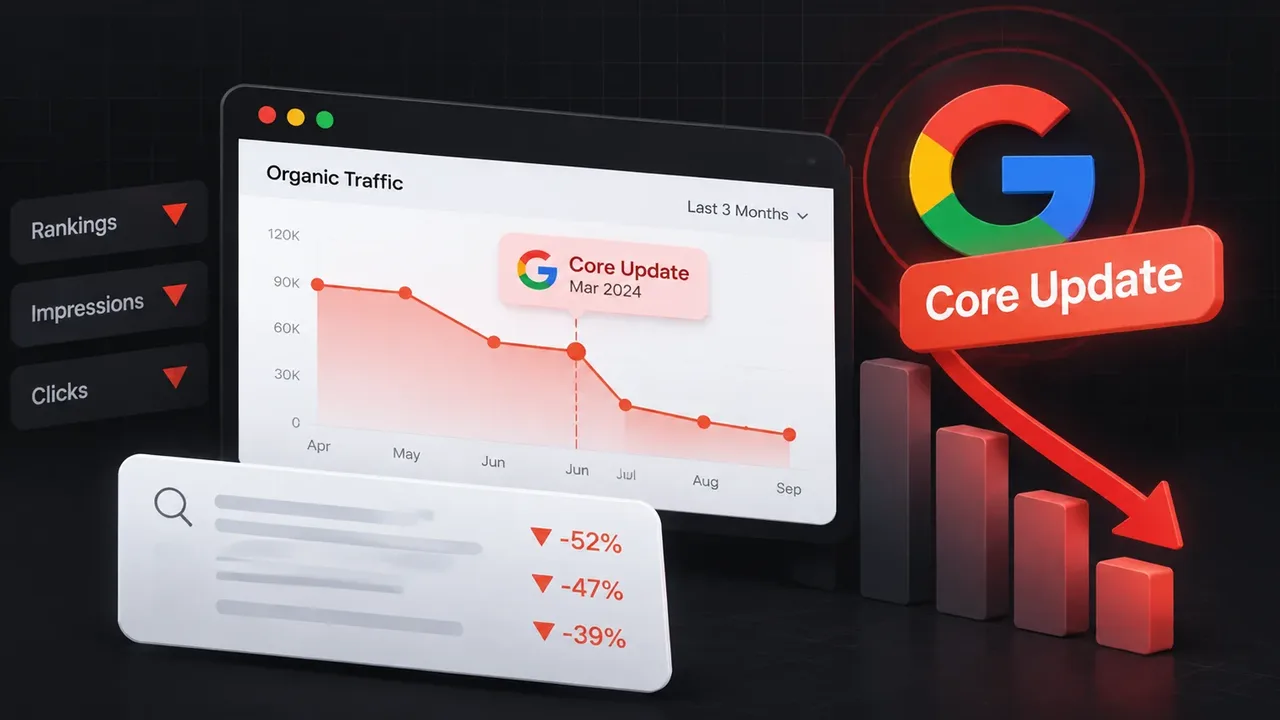
  • A configuration pass after every Google core update. Rankings, lost queries, gained queries, section order and links are re-checked and corrected while competitors are still waiting to see what happened.
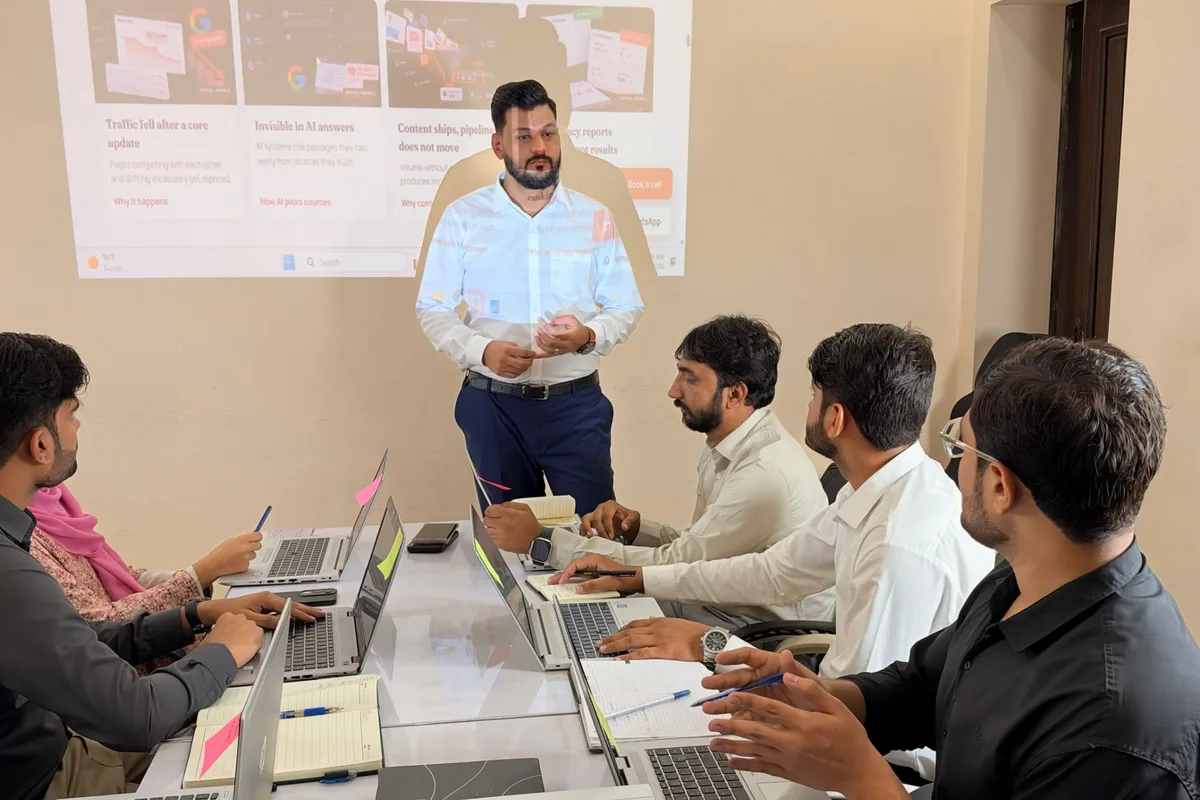
Digital Vikingz team meeting in the office: a presenter stands in front of the projected agency website while five team members work at laptops
Reviewing a topical map before production begins.

What does topical authority look like in Google Search Console?

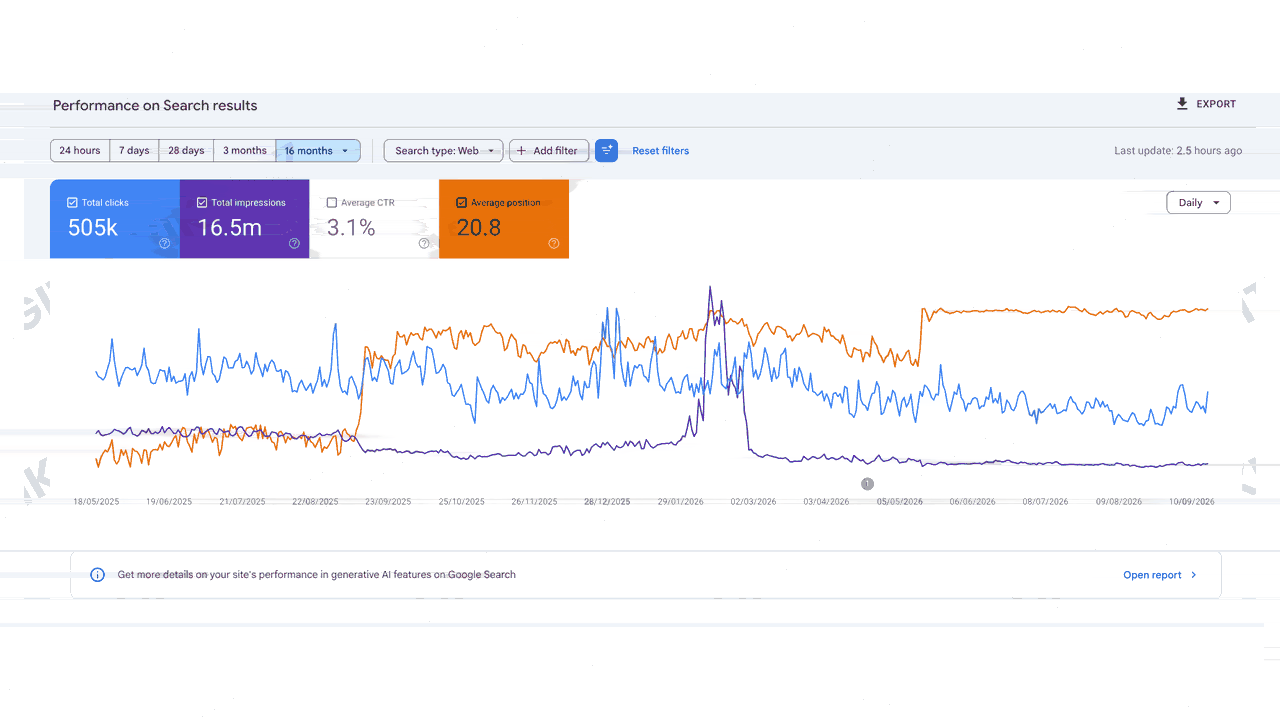
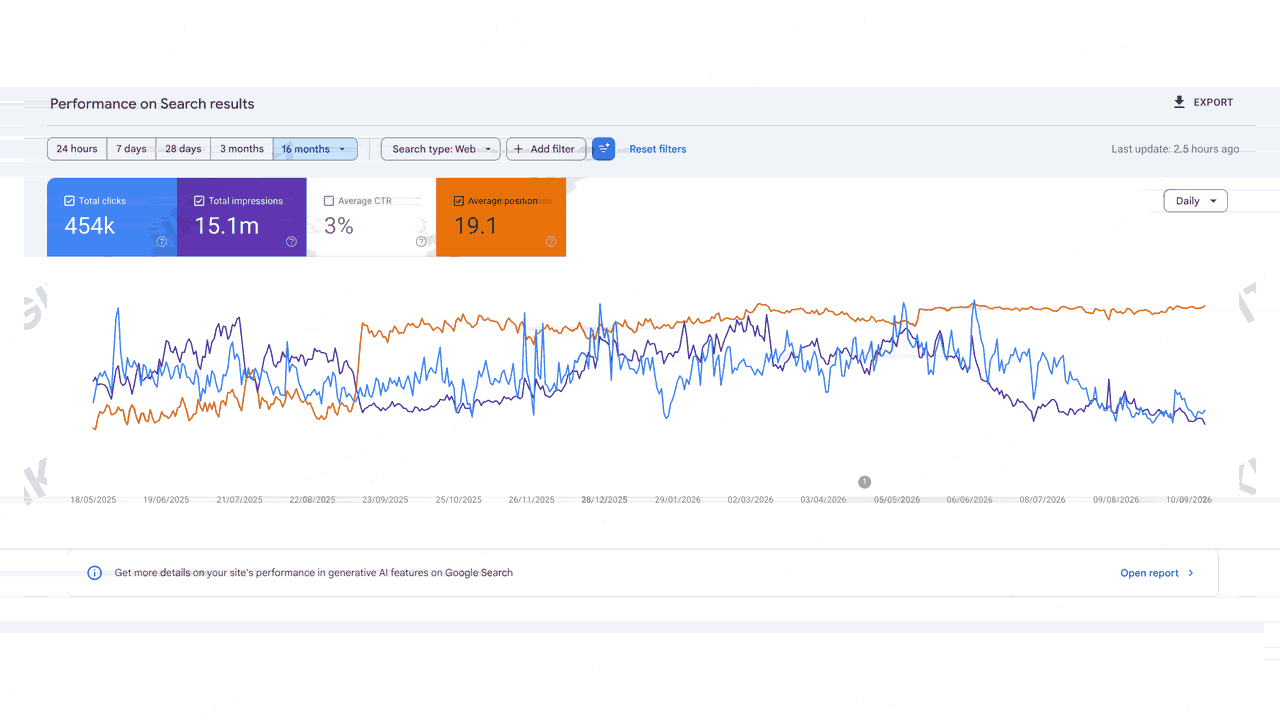
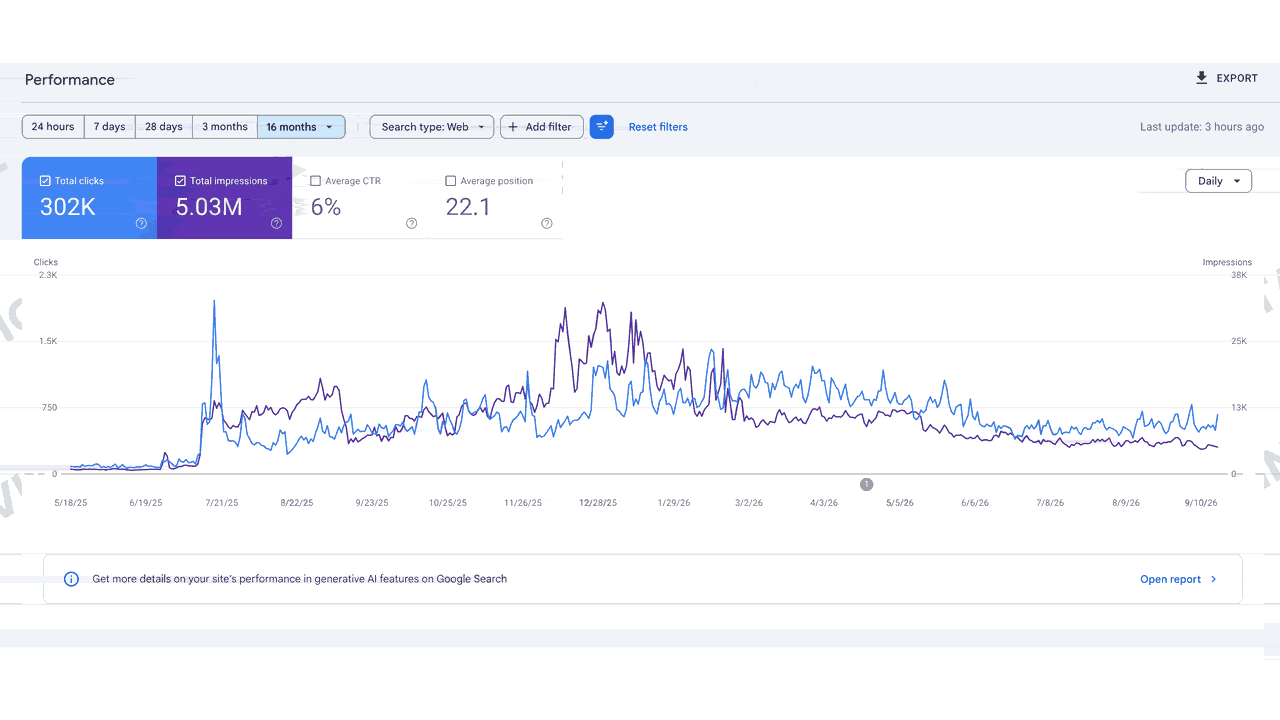
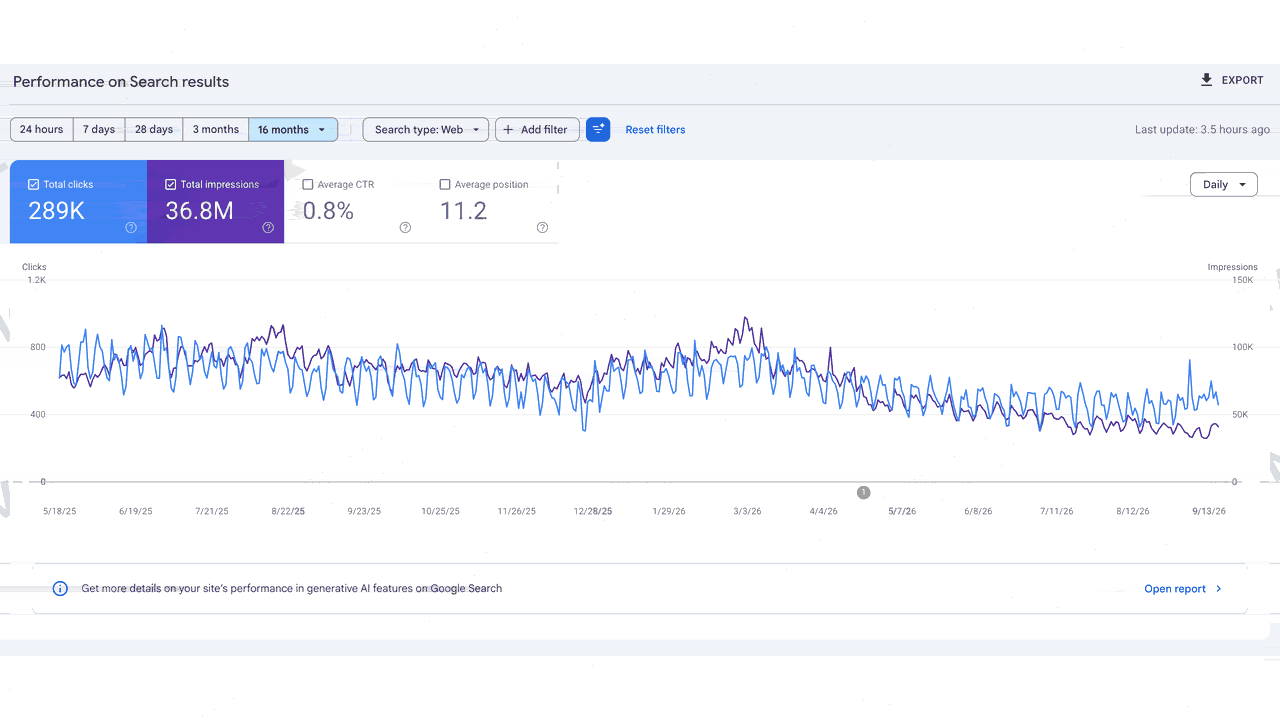
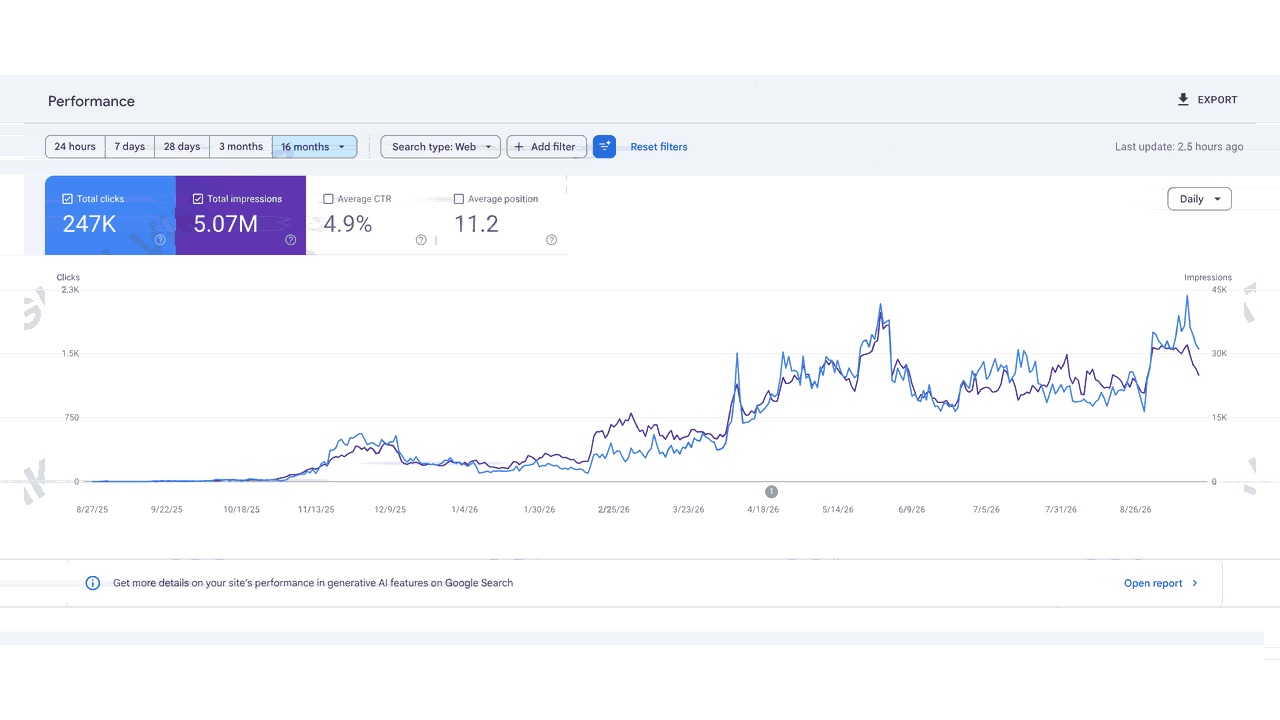
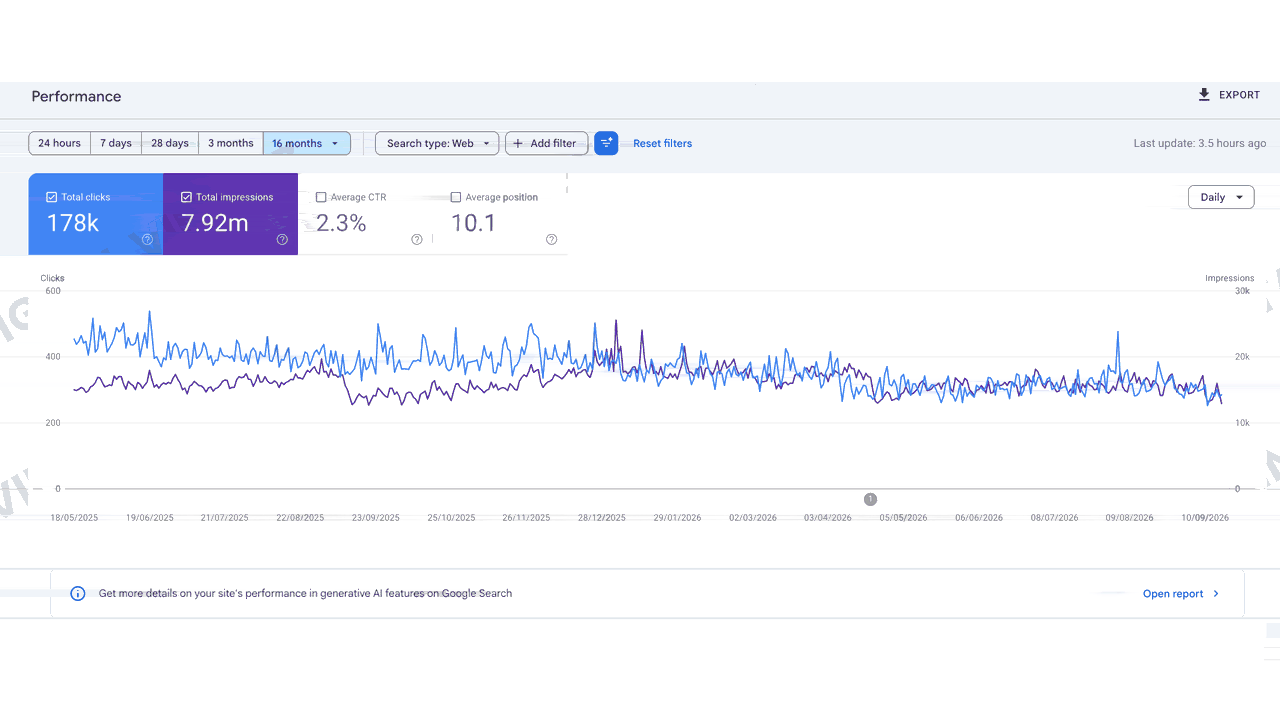
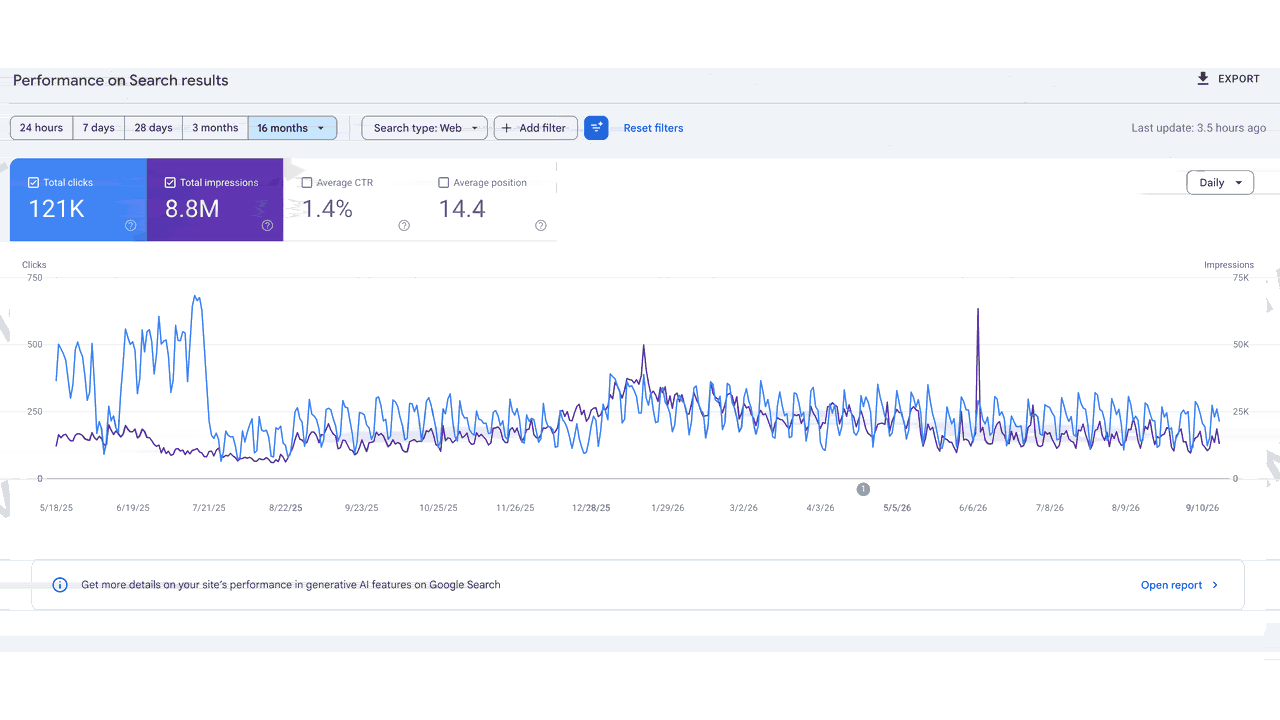
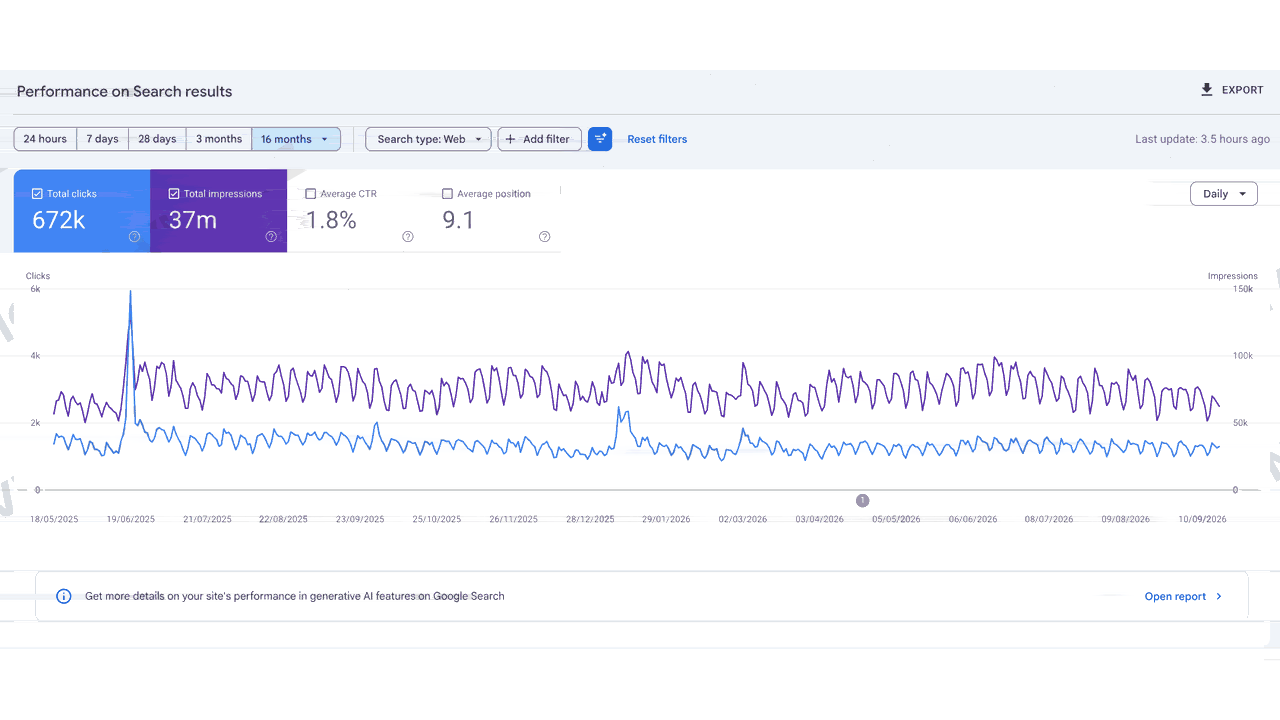
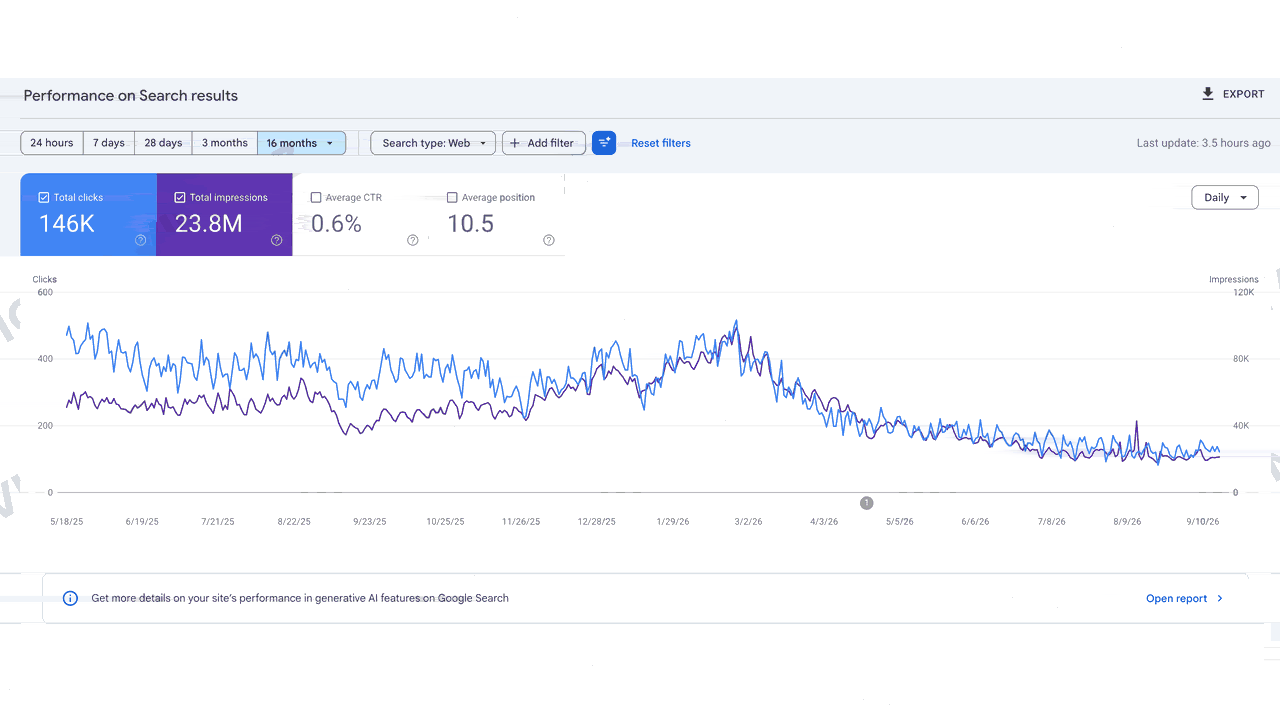
Topical authority looks like the panels below: clicks and impressions that rise through core updates instead of resetting at each one. You know this screen. You have opened it the morning after an update to see what survived. Each panel is a client's own property, exported as Google shows it, with clicks, impressions, click-through rate and average position over the full period. The curve has the same shape in every vertical because the method is the same. Panels are anonymised to protect the clients. On the strategy call we open a live property in a vertical next to yours and walk through the architecture decisions behind the curve.

Google Search Console performance panel, B2B SaaS · 16 months: 672K clicks, 37M impressions, 1.8% CTR, average position 9.1

B2B SaaS16 months

672Kclicks

Impressions
37M
CTR
1.8%
Position
9.1
Google Search Console performance panel, Publishing · 16 months: 505K clicks, 16.5M impressions, 3.1% CTR, average position 20.8

Publishing16 months

505Kclicks

Impressions
16.5M
CTR
3.1%
Position
20.8
Google Search Console performance panel, Ecommerce · 16 months: 454K clicks, 15.1M impressions, 3% CTR, average position 19.1

Ecommerce16 months

454Kclicks

Impressions
15.1M
CTR
3%
Position
19.1
Google Search Console performance panel, Client property · 16 months: 302K clicks, 5.03M impressions, 6% CTR, average position 22.1

Client property16 months

302Kclicks

Impressions
5.03M
CTR
6%
Position
22.1
Google Search Console performance panel, Client property · 16 months: 289K clicks, 36.8M impressions, 0.8% CTR, average position 11.2

Client property16 months

289Kclicks

Impressions
36.8M
CTR
0.8%
Position
11.2
Google Search Console performance panel, Healthcare · from launch: 247K clicks, 5.07M impressions, 4.9% CTR, average position 11.2

Healthcarefrom launch

247Kclicks

Impressions
5.07M
CTR
4.9%
Position
11.2
Google Search Console performance panel, Travel and tourism · 16 months: 178K clicks, 7.92M impressions, 2.3% CTR, average position 10.1

Travel and tourism16 months

178Kclicks
Impressions
7.92M
CTR
2.3%
Position
10.1
Google Search Console performance panel, Client property · 16 months: 146K clicks, 23.8M impressions, 0.6% CTR, average position 10.5

Client property16 months

146Kclicks

Impressions
23.8M
CTR
0.6%
Position
10.5
Google Search Console performance panel, Client property · 16 months: 121K clicks, 8.8M impressions, 1.4% CTR, average position 14.4

Client property16 months

121Kclicks

Impressions
8.8M
CTR
1.4%
Position
14.4

See all Search Console results

What is it like to work with Digital Vikingz?

Three clients answer that question themselves in the recordings below, and the written feedback sits beside them as the original screenshots. Each recording is labelled so you can place the client's situation next to yours.

Read all reviews

Businesses that own their topic with us Clipchamp

Clipchamp logoClipchamp
Mytello logoMytello
Crewsim logoCrewsim
Prepmatter logoPrepmatter
ADHD Dude logoADHD Dude
PhoenixBio logoPhoenixBio
AJ Kumar logoAJ Kumar
WorldSprings logoWorldSprings
EarnEdits logoEarnEdits
Articlegen logoArticlegen

Which layer does your site need first?

The audit decides which layer comes first, and the nine services below cover every layer from diagnosis to pipeline reporting. Each service has a fixed deliverable list you read before you commit. Most clients start with the audit or the architecture and add layers as the site matures. Your team or ours builds against the plan.
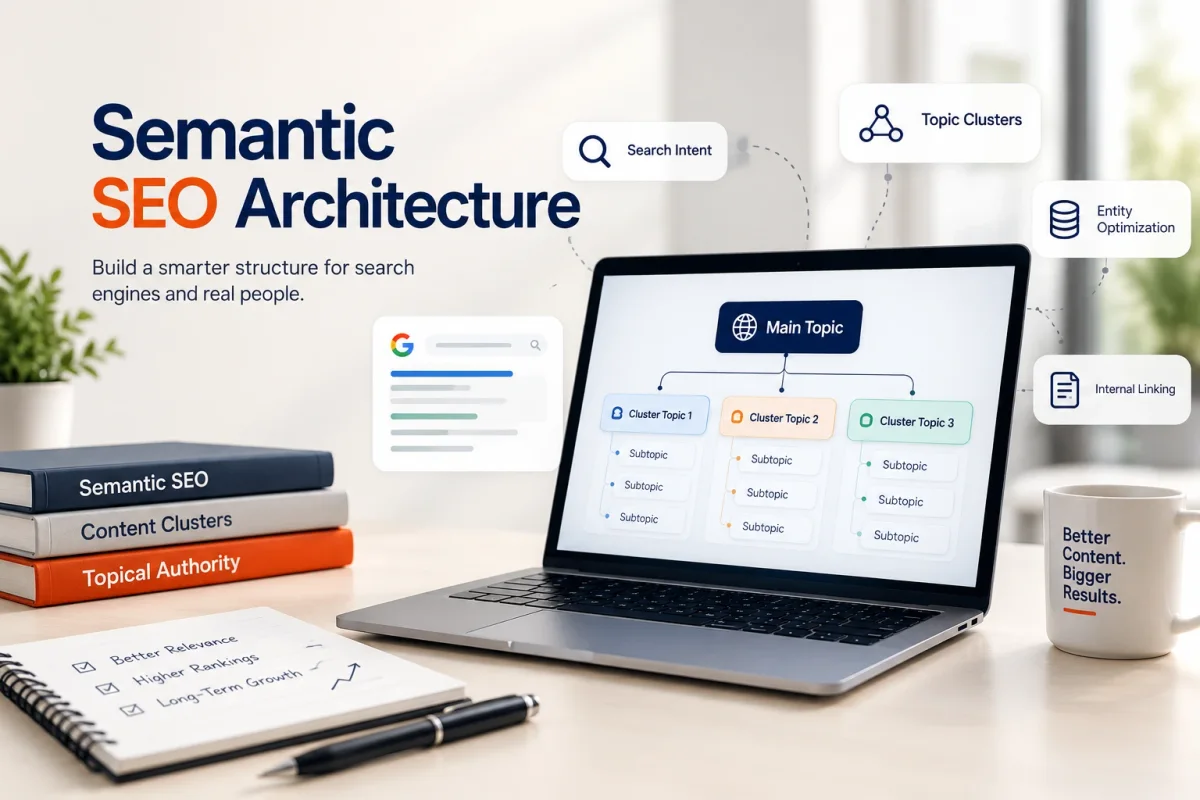
Semantic SEO Architecture: a laptop showing a topical map of main topic and clusters, beside notes on entity optimisation

Semantic SEO Architecture

The written plan your site is built against: central entity definition, topical map, source term vector, entity-attribute matrix, internal linking architecture, 12-month publishing roadmap and the technical entity infrastructure spec. Use it when you want the plan before the production, and when you want a document your team can run without us. Fixed-scope project.

Topical mapCentral entity definitionSource term vectorEntity-attribute matrixInternal linking architecturePublishing roadmap
Semantic SEO Architecture

Not sure the method fits your site? Start with the audit.

The semantic content audit reads your site the way Google and an AI engine read it, and returns a prioritised issue map as a written document. You learn where the entity is unclear, where the pages compete with each other, and where an AI engine has no sentence it can quote. The audit becomes the architecture, or it becomes a roadmap your own team runs. Either way you leave with the document.

We reply within one working day with the scope and the next step. Prefer to talk? WhatsApp or book a 30-minute call.

What do Claim, Shield and Scale mean for your business?

Claim, Shield and Scale are the three layers every engagement moves through, and each layer earns the next.

1

Claim

Authority Architecture

Claim is the layer where your business becomes a defined entity with one topic, one vocabulary and one map. What you see: Google starts classifying the site for your topic instead of matching single pages to single keywords.

2

Shield

Authority Defense

Shield is the layer where that authority is confirmed outside your site, in AI answers and in placements on sources Google already trusts for your topic. What you see: the site holds through core updates, and your name appears when a buyer asks an AI engine.

3

Scale

Authority Production

Scale is the layer where the map is produced page by page in a planned order, and each cluster is tied to the qualified leads it produced. What you see: a quarterly report that names the clusters paying for the program. Rankings sit in the appendix.

Who gets the most out of semantic SEO?

Semantic SEO pays off most for a business whose buyers research before they buy, because every research question is a page the site can own. Four kinds of buyer come to us most often.


Founder-led SaaS and B2B: semantic SEO buyer segment
Founder-led SaaS and B2BYou answer to a board, and a ranking chart is not an answer. The engagement starts with architecture and ends in a report that names which cluster produced which qualified lead. Feature pages, comparison pages and alternatives pages are built as one entity network, so the site ranks for the category and for every tool it is compared against.
E-commerce brands: semantic SEO buyer segment
E-commerce brandsYour category pages, collection pages and blog posts are competing with each other for the same searches, and Google is choosing none of them. The topical map decides which page owns which intent. Category pages become the source for the product class, and the blog feeds them instead of fighting them.
Healthcare and local practices: semantic SEO buyer segment
Healthcare and local practicesPatients search for the condition first and the practice second, and the practice that defines the condition best gets the call. Service pages, condition guides and provider profiles are built with one vocabulary and named clinicians, so Google and AI engines connect the condition, the treatment and your location in one answer.
Agencies: semantic SEO buyer segment
AgenciesYou sell semantic SEO and your clients expect delivery to a standard you cannot staff for every account. The full system is delivered under your brand, prepared for the client handoff. You own the relationship. We own the delivery standard.

Which of these is happening to your site right now?

Traffic fell after a core update

A core update recalculates relevance, and a page built on keyword matching loses the position it was renting. The audit shows which pages lost which queries and what those pages have in common. The architecture gives them an entity definition the next update re-evaluates in your favour.

Why it happens
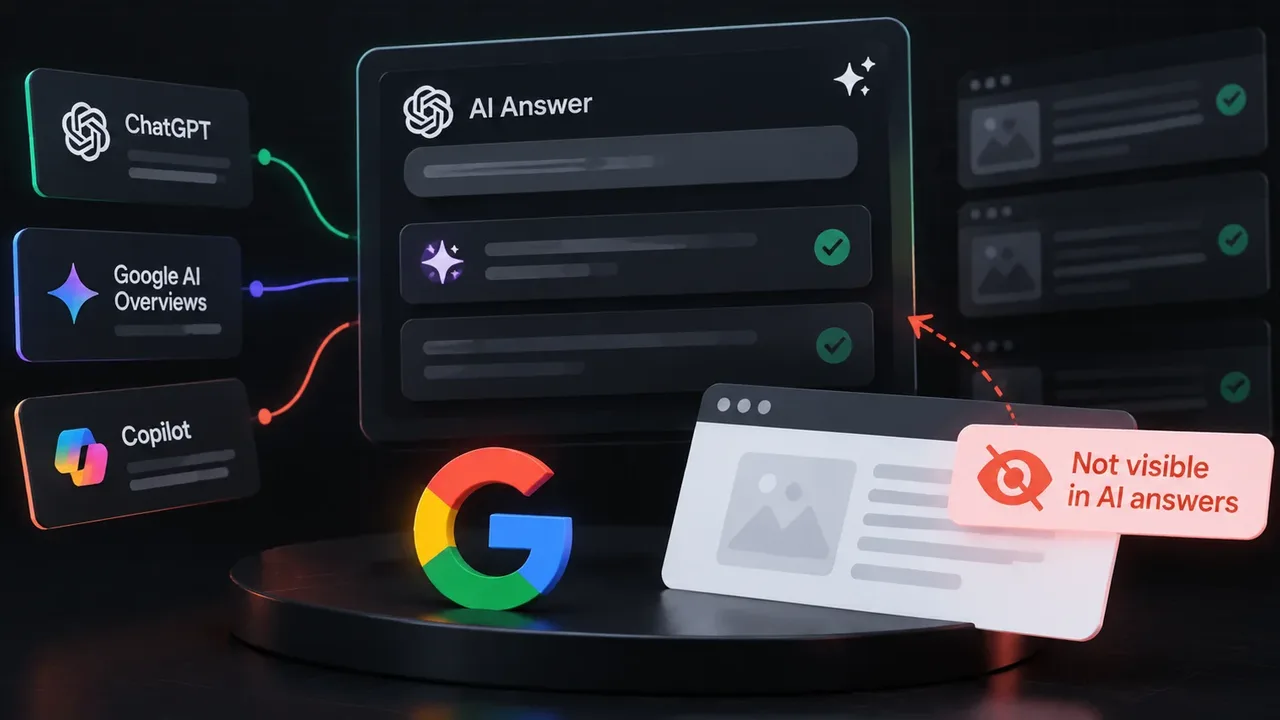
Invisible in AI answers
Your competitor is in the AI answer and you are not

An AI engine cites the passage that states one fact about one named entity in a sentence that stands alone, and most business sites have no such passage. AI search visibility work rewrites your entity definitions, fixes the predicates and adds the author entity, so the next time a buyer asks ChatGPT, your name is the one quoted.

How AI picks sources
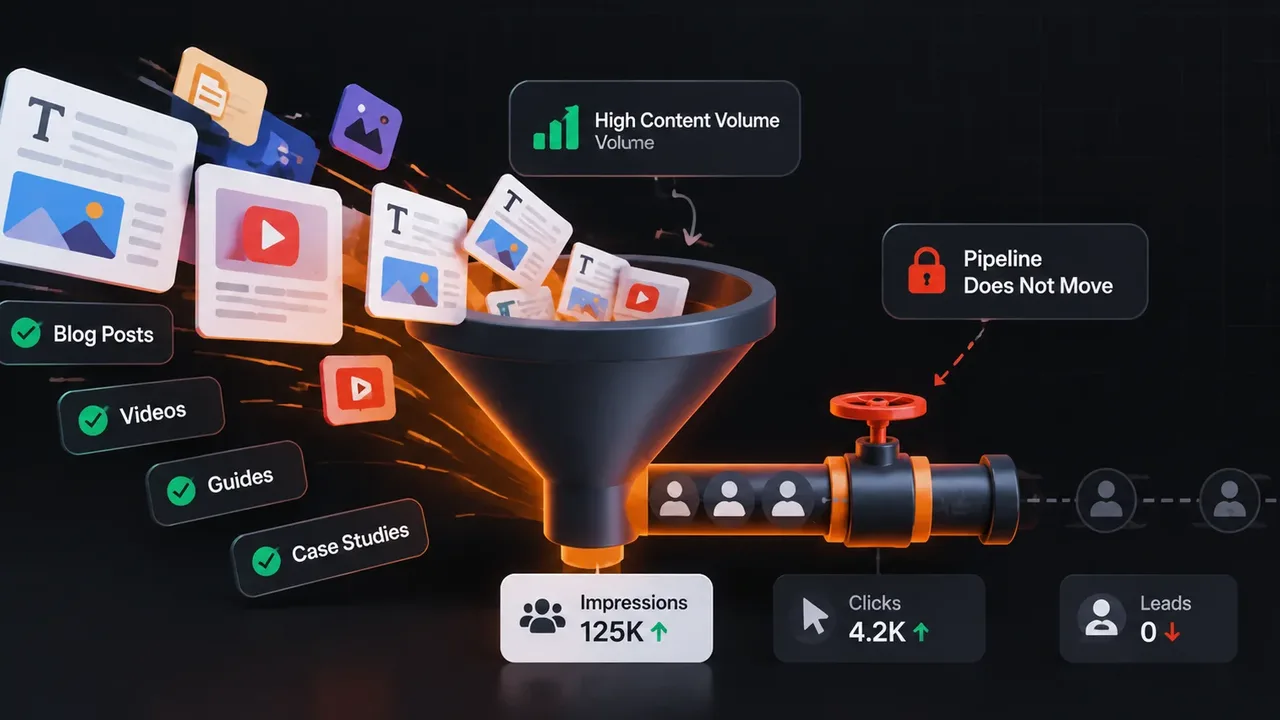
Content ships, pipeline does not move
Content ships every month and pipeline does not move

A content calendar produces pages, and a topical map produces authority, and the two are not the same thing. Production is re-sequenced against the map, bottom-funnel clusters are built first, and the attribution report shows which pages are producing leads and which are producing nothing.

Why content fails to convert
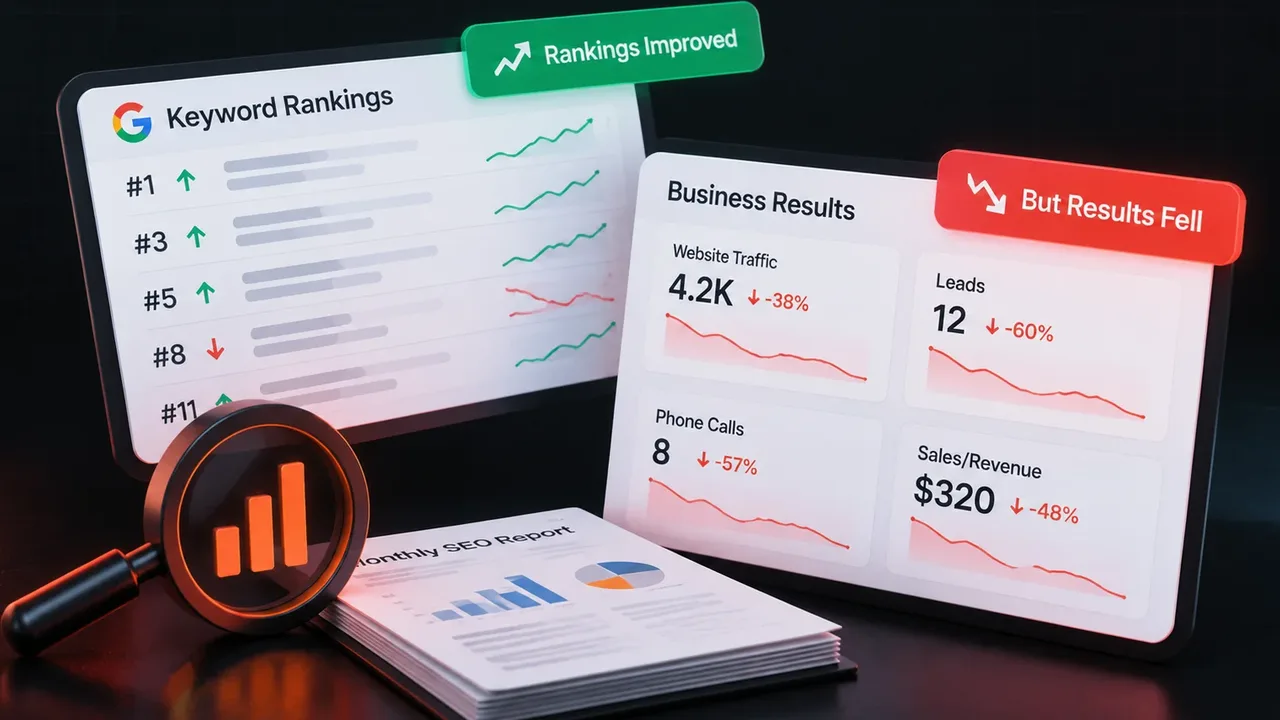
The agency reports rankings, not results
Your current provider reports rankings, not results

A ranking report measures the provider's activity, and a pipeline report measures your business. We report qualified leads by cluster each quarter, with rankings, impressions and citations in the appendix, where they belong.

What to ask your agency

Does semantic SEO work in your industry?

Semantic SEO works in any industry where buyers research before they buy, because the method builds the pages those researchers read. The method stays the same across industries. The page architecture changes, because buyer query paths and entity hierarchies differ. Each tile names the pages your vertical needs.

See the industry playbooks
Lawyer explaining a document to a couple at a desk with law books, a gavel and a Lady Justice statue, semantic SEO for legal firmsLegal
Travel agent showing a holiday brochure to a couple beside a destination signpost, globe and passport, semantic SEO for travel and tourismTravel and tourism
Hotel receptionist checking in a smiling couple with luggage at a marble front desk, semantic SEO for hospitalityHospitality
Teacher with a tablet leading a small class beside a whiteboard of learning, skills and growth notes, semantic SEO for educationEducation
IT team reviewing code and a cloud network diagram on office monitors, semantic SEO for IT servicesIT services
Editor making notes in a book at a desk with magazines, a laptop and a page layout on screen, semantic SEO for publishingPublishing
Makeup artist applying blush to a client in a beauty salon chair, semantic SEO for beauty businessesBeauty
Mechanic working on a car engine in a repair workshop with a lifted car behind, semantic SEO for automotive businessesAutomotive
Semantic SEO for manufacturingManufacturing
Two logistics staff in safety vests checking a tablet at a port with a truck, cargo ship, forklift and plane, semantic SEO for logisticsLogistics
Recruiter holding a resume while interviewing a candidate at an office desk, semantic SEO for recruiting firmsRecruiting
Two engineers in hard hats reviewing blueprints at a building site with a crane and excavator, semantic SEO for constructionConstruction
Wedding planner showing a tablet to a bride and groom at a decorated outdoor reception table, semantic SEO for wedding and eventsWedding and events
Cleaner in orange gloves wiping a counter while colleagues vacuum and wash windows, semantic SEO for cleaning servicesCleaning services
Agent handing keys to a couple with suitcases outside a modern holiday villa with a For Rent sign, semantic SEO for rentalsRentals
Two clinicians checking boxes of face masks and supplies in a stocked medical storeroom, semantic SEO for medical suppliesMedical supplies

Which countries does Digital Vikingz serve?

Digital Vikingz builds topical authority for businesses in six countries, and each program carries the spelling, regulators, units and search habits of that market in its vocabulary.


Statue of Liberty and the New York City skyline, United States
United StatesCalls in Eastern to Pacific hours; US spelling and US regulators in every map.
Tower Bridge over the River Thames in London, United Kingdom
United KingdomUK spelling, UK regulators and UK search behaviour in every map.
Autumn maples and the Ferris wheel at the Old Port of Montreal, Canada
CanadaEnglish programs with Canadian spelling and provincial regulators where the topic needs them.
Sydney Harbour Bridge and the Sydney skyline, Australia
AustraliaAustralian spelling, state regulators and seasonal reversal built into the publishing roadmap.
Aerial view of Palm Jumeirah in Dubai, United Arab Emirates
United Arab EmiratesEnglish-language programs for Dubai and Abu Dhabi buyers with local entity signals.
Cologne Cathedral and the Hohenzollern Bridge at dusk, Germany
GermanyGerman-market programs with a German-language vocabulary where the site publishes in German.
Talk to us speech bubble for Digital Vikingz clients in any country
Anywhere in the worldRemote programs, run in your time zone.Book a call

Who will be working on your site?

The founder architects every engagement, and a production team that works from the same written methodology builds it. The two people below own the architecture and the content standard, and you will speak to both of them during the engagement.

Usman Ishaq, founder and CEO of Digital Vikingz
Usman IshaqFounder

Mechanical engineer by training. Decides the central entity, the topical map and the vocabulary on every engagement.

Abad Aslam, content marketing lead
Abad AslamContent Marketing

Owns brief integrity, editorial standards and the publishing workflow that turns the map into pages.

Usman Ishaq, founder of Digital Vikingz

A word from the founder

You have probably paid an agency before and received a PDF of rankings. I built Digital Vikingz for that moment. SEO was being sold as activity: title tags, backlinks, content volume. The activity was real. The authority never arrived, and every core update sent the rankings back to where they started. Then AI search made the gap permanent. ChatGPT, Perplexity, Claude and AI Overviews do not reward volume. They quote the site that defines the entity. That is the site we build. The audit tells you what your site is today. The architecture is what changes where it is going.

Usman Ishaq, Founder

What can you check about Digital Vikingz before you sign?

Five things, and each one can be checked before any money moves.

The proof is in Google Search Console.Every result on this site is a panel export, and on the call we open a live property so you see the numbers where Google keeps them.
The deliverables are documents you own.The audit, the architecture and the roadmap stay with your business with or without a longer engagement.
The method is written down.Every writer, analyst and developer works from one rule set, so the standard does not change with who is assigned to your account.
The founder decides the architecture.The central entity, the topical map and the vocabulary are set by the person whose name is on the company.
The report is tied to pipeline.The quarterly report names which cluster produced which qualified lead. Rankings are in the appendix.

What do the terms on this page mean?

The eight terms below appear on every page of this site, and each definition is written to stand on its own.

Read the knowledge hub
What is semantic SEO?Semantic SEO is search optimization that structures a site around entities, their attributes and their values rather than around keyword frequency.What is topical authority?Topical authority is the state in which a site ranks across the whole network of queries around one topic, assigned by Google to a source that covers the topic with consistent depth and vocabulary over time.What is a central entity?A central entity is the one noun phrase every page on a site reinforces, with a definition sentence that stays identical across the site, the schema and every profile.What is a topical map?A topical map is the list of every topic a site will cover, split into a core section that sells and an outer section that teaches, with a decision on which topics earn a page and which earn a heading.What is a source term vector?A source term vector is the vocabulary a site speaks, recorded as canonical terms, allowed synonyms and banned terms, and checked on every page before publication.What is semantic dilution?Semantic dilution is the loss of topical signal that happens when a site covers too many unrelated topics, so Google cannot classify the site for any one entity.What is AI search visibility?AI search visibility is the presence of a site as a cited source in answers generated by ChatGPT, Perplexity, Claude, Gemini and Google AI Overviews, also called LLM visibility.What does query deserves a page mean?Query deserves a page is the test that decides if a search query earns its own URL or becomes a heading on an existing page, judged by prominence, demand and relevance to the business.

Latest from Digital Vikingz

Short explanations of the method, recorded by the team and posted on YouTube, TikTok, LinkedIn and Instagram. Play them here or open them on the platform.

YouTube@digitalvikingzView on YouTube
TikTok@digital.vikingzofficialView on TikTok
YouTube@digitalvikingzView on YouTube

Before you book: what clients ask

These are the questions that come up before a first call, answered the way we answer them on the call.

We paid an agency for a year and got a ranking report. How is this different?
A ranking report measures activity, and our quarterly report measures qualified leads by cluster. The architecture is a document you own, so the work stays with your business when the engagement ends. A ranking report stays with the agency.
Our traffic dropped after the last core update. Can you bring it back?
The audit shows which pages lost which queries and what they have in common, and the architecture gives those pages an entity definition the next update re-evaluates. We do not promise the old positions back. We show you why they were rented in the first place and how the next ones are owned.
Will ChatGPT and Google AI Overviews mention us?
AI engines cite sites with consistent entity definitions, one fact per sentence and a named author, and that is what the AI search visibility work builds. Citation is earned per query, so we report the queries where your site is cited and the queries where a competitor still is.
Who writes the content, a person or an AI?
Trained operators own every brief, entity definition, predicate decision and fact check, and AI is used as a research and drafting layer inside that method. Google penalises thin content with no information gain whoever wrote it, which is why every page passes editorial QA against its brief before it ships.
How soon will we see movement in Search Console?
The first measurable movement appears after the first Google core update that follows production, and authority is read as a state across updates rather than as a weekly number. We state the phase sequence before you sign. We do not quote a week count, because Google sets the update calendar, not us.
Can our own team run the plan?
Yes, and the architecture is written so an in-house team can execute it without us. Three models work: we architect and your team produces; we architect and brief and your team writes; or we produce everything and your team handles distribution and conversion.
What if the audit shows semantic SEO is not the fix?
Then the audit says so, names the actual problem, and you keep the document. Some sites need a technical fix, a migration or a different offer before architecture makes sense. The audit is built to find that out before you spend on the wrong layer.
Do you guarantee rankings?
No. We commit to the deliverables, the publishing sequence and the quarterly reporting, and the Search Console panels on this page show what sites built this way do. A ranking guarantee is a sign the provider controls the client's expectations, not the search engine.
Are we locked into a contract?
No. The audit and the architecture are fixed-scope projects, and the monthly work continues only while it earns its place. You can stop at the end of any phase with the documents in hand.
Do you deliver under our agency's brand?
Yes. White-label delivery covers every layer, and each deliverable is prepared for handoff to your client with no Digital Vikingz branding.
Book a callWhatsApp